The Tokyo Metro is one of the most efficient ways to explore Japan’s capital.
Understanding the Tokyo Metro map helps you move confidently between districts, tourist spots, and business hubs.


This guide gives you everything you need to plan your journey smoothly and avoid confusion.
Overview of the Tokyo Metro System
The Tokyo Metro has 9 lines and operates in conjunction with the Toei Subway, covering most of central Tokyo.
Unlike JR East trains, which run above ground and cover longer distances, the metro focuses on short urban travel.
Together, they connect key city centers and some suburban areas for daily use.
Most Used Lines and Their Importance
The first one: Ginza Line connects Shibuya to Asakusa, making it an ideal choice for sightseeing. Second, the Hibiya Line provides access to nightlife in Roppongi and shopping in Akihabara. The third one, the Tozai Line, is essential for commuters heading to and from business districts.
How to Read the Tokyo Metro Map
Learning to read the Tokyo Metro map helps you navigate the system quickly. The map uses colors, numbers, and icons to keep things simple.
- Follow the line colors: Each line has a distinct color, such as orange for Ginza or purple for Hanzomon. This helps you spot them on the map and signs.
- Check station codes: Stations use a combination of letters and numbers, such as G09. It tells you the line and order of stops.
- Find transfer points: Overlapping circles show where you can switch lines. No need to leave the station.
- Know the terminal stations: Lines run between two ends. Use the final stop to check your direction.
- Use map icons: Symbols show restrooms, elevators, and exits. Handy if you need easy access or planning.
- Plan your route early: Trace your start and end stations. Note transfers to avoid confusion.
Useful Digital Tools and Apps
Using the right apps makes navigating the Tokyo Metro much easier. These tools help you plan routes, check delays, and get real-time updates.
- Tokyo Metro Official App: Shows routes, station info, and offline maps. Supports English for easy use.
- Google Maps: Gives live train times, platform data, and walking paths. Very reliable in Tokyo.
- NAVITIME for Japan Travel: Offers train routes, exits, and fares. Suitable for detailed planning.
- Japan Transit Planner (Jorudan): Compares routes, times, and costs to help you plan your trip. It helps skip crowded trains.
- Hyperdia: Best for long-distance trips but works for the metro, too. Useful when connecting to JR lines.
Ticketing and IC Cards
Paying for rides on the Tokyo Metro is simple with tickets or IC cards. Here’s what you need to know to get started easily.
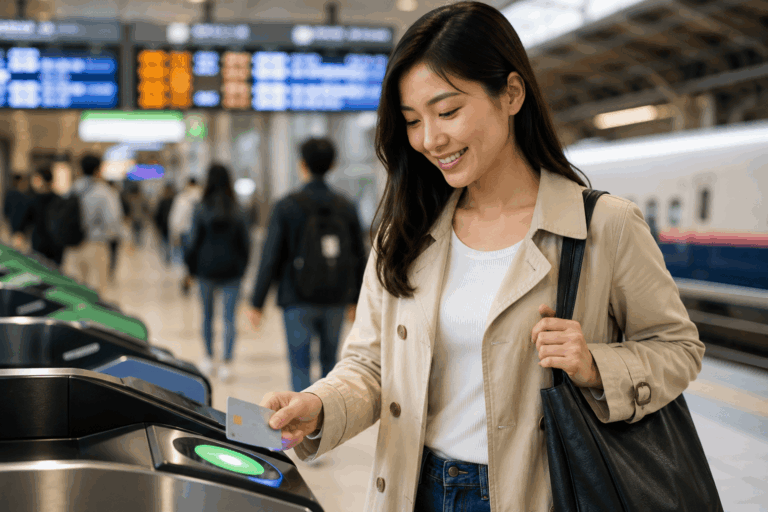
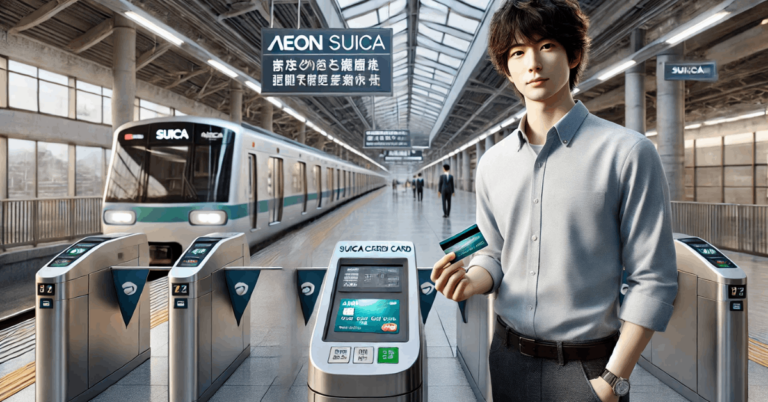
- IC Cards (PASMO and Suica): Prepaid cards you tap at gates. It can be used on trains, buses, and even in stores.
- How to Buy IC Cards: Available at vending machines and ticket counters in most stations. You pay a deposit and load money to start.
- Recharging IC Cards: Use machines at stations to add credit. Recharge with cash or card, depending on the machine.
- Using Regular Tickets: Buy single-ride tickets from machines by selecting your destination. Insert the ticket at the gate and keep it for the exit.
- Fares Based on Distance: Ticket and IC card fares vary depending on the distance traveled. Check the fare table or use a travel app to confirm the cost.
- Day Pass Options: One-day passes give unlimited rides on Tokyo Metro lines. It’s a good choice for tourists making multiple stops.
When and How to Travel Efficiently
Knowing the best times and ways to use the Tokyo Metro helps you avoid crowds and save time. Here are some smart tips for a smooth travel experience.
- Avoid Rush Hours: Peak times are 7:30–9:30 AM and 5:00–7:30 PM. Travel outside these for comfort.
- Travel Midday or Late Evening: The area is less crowded after 10 AM or after 8 PM. Great for relaxed trips.
- Use Route Planning Apps: These apps suggest fast and less crowded routes. They also show delays.
- Know Transfer Stations: Some stations are easier for transfers. Try Otemachi or Akasaka-Mitsuke.
- Board the Right Car: Ensure you board the car nearest the exit. Signs and apps show where to stand.
- Buy Passes in Advance: One-day passes save time and money. Suitable for multiple trips.
Where to Access the Tokyo Metro Map
Getting the Tokyo Metro map is easy and free. You can find both printed and digital versions in several places.
- Station Counters: Most major stations offer printed maps. Ask staff or check the info desk.
- Ticket Machines: Some machines have a map displayed or offer printed guides nearby. Useful for quick reference.
- Official Website: Download PDF maps in multiple languages from Tokyo Metro’s website. Always up to date.
- Mobile Apps: The Tokyo Metro app and others, such as NAVITIME, include digital maps. These work offline, too.
- Tourist Info Centers: Located in stations and airports. They offer maps, brochures, and local tips.
- Hotel Lobbies: Many Tokyo hotels give out small metro maps. Handy to keep in your pocket.
Accessibility on the Tokyo Metro
The Tokyo Metro is designed to support all passengers, including those with mobility needs.
Here are the main features that help ensure easy access for everyone.
- Elevators and Ramps: Most stations have them for wheelchair accessibility and stroller use. Signs show where to find them.
- Accessible Restrooms: Many stations have barrier-free toilets with support rails. They’re easy to spot.
- Priority Seating: Marked seats for seniors, pregnant riders, and individuals with disabilities are available in every car.
- Tactile Paving: Yellow tiles guide visually impaired users to platforms and exits.
- Station Staff Support: Station staff can assist with transfers or address mobility needs. Use help desks or intercoms.
- Announcements and Displays: Trains give clear updates in English and Japanese for all riders.
Nearby Attractions You Can Access
The Tokyo Metro connects you to many of the city’s top attractions. Here are the major spots you can easily reach using the metro.
- Ueno Zoo (Ginza Line): Exit at Ueno Station for easy access to the zoo, museums, and Ueno Park.
- Tokyo Skytree (Hanzomon Line): Get off at Oshiage Station to visit one of Japan’s tallest towers.
- Senso-ji Temple (Ginza Line): Asakusa Station puts you right near this historic temple and shopping street.
- Tokyo Tower (Oedo Line): Use Akabanebashi Station for the closest stop to Tokyo Tower.
- Shibuya Crossing (Ginza or Hanzomon Line): Stop at Shibuya Station to see the famous intersections and shops.
- Ikebukuro Sunshine City (Yurakucho Line): From Higashi-Ikebukuro Station, walk to Sunshine City for shopping and an aquarium.
Tips for First-Time Visitors
If it’s your first time using the Tokyo Metro, a few simple tips can make your experience smoother. Here’s what you should keep in mind.
- Follow Station Signs: Signs are in Japanese and English. Look for color-coded lines and exit numbers.
- Use the Correct Gate: Tap your IC card or insert a ticket at entry and exit. Please remember to retrieve your ticket upon entry.
- Stay on the Left: On escalators, stand on the left and let others pass on the right. It’s the standard in Tokyo.
- Keep Noise Low: Phones should be set to silent mode. Avoid talking loudly inside trains.
- Don’t Eat on Trains: Eating is discouraged inside metro cars. Wait until you’re off the train.
- Have a Map Ready: Keep a paper or digital map handy. It helps when navigating busy stations or transfers.
The Bottomline
The Tokyo Metro map is your key to navigating the city quickly and stress-free.
With the right tools and tips, you can move confidently across all significant areas.
Plan your journey today and make the most of every Tokyo stop with the Metro map in hand.