
Looking into starting a career at Gyomu Super? Perhaps you’re interested in reliable work, steady growth, and a close-knit workplace culture.
This guide explores practical advice, useful requirements, and ways to maximize your path when seeking a job at Gyomu Super, one of Japan’s most recognized discount supermarket chains.
Why Gyomu Super Jobs Appeal to Job Seekers in Japan?
Gyomu Super, known for its extensive range of affordable products, attracts both local and foreign job hunters.
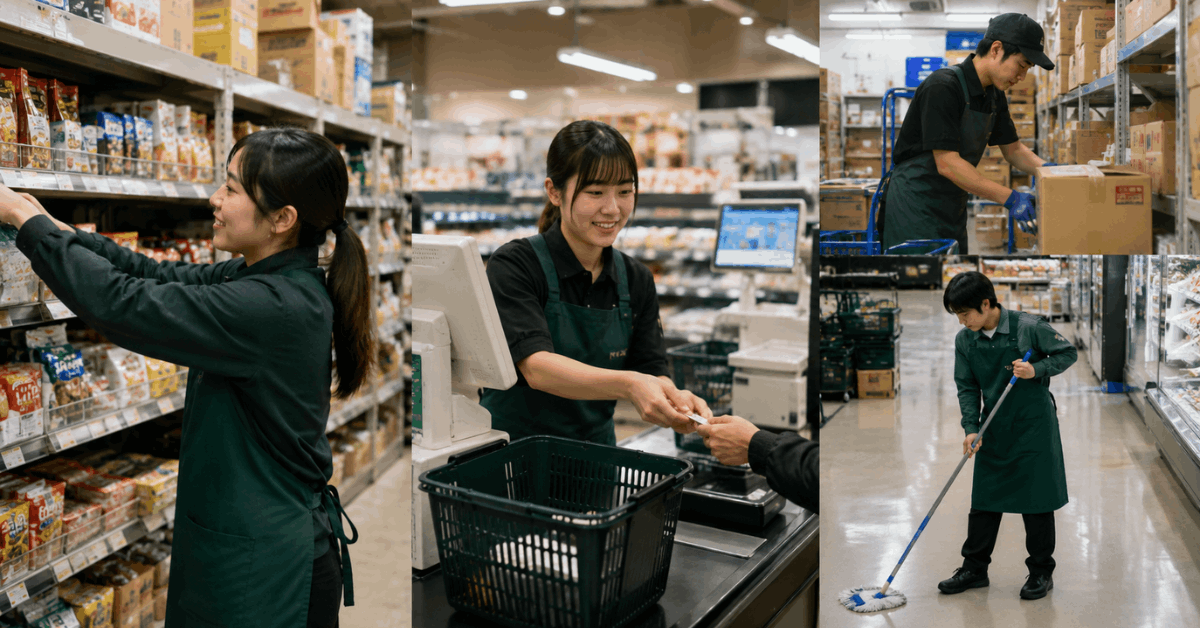
The company’s wide presence, with hundreds of stores nationwide, opens doors for those seeking entry-level roles or steady retail employment.
Stable Employment in a Growing Retail Sector
Unlike short-term or sporadic jobs, roles at Gyomu Super offer sustained stability. The retail industry in Japan has shown resilience, even in turbulent times, meaning jobs here rarely vanish overnight.
Flexible Work Options
Several positions provide part-time or shift-work choices, perfect for students, those balancing family responsibilities, or people who simply prefer adaptable schedules.
Opportunities for Skill Building
Even if you’re just stacking shelves, you’ll often pick up inventory management, customer service, and Japanese workplace etiquette – all skills that travel well beyond Gyomu Super.
Popular Positions at Gyomu Super
Before diving into an application, it’s helpful to know what roles are most commonly available. While higher-level management might require years of experience, many entry points exist for newcomers.
- Store Associate (販売スタッフ): Usually involves stocking products and assisting customers. Japanese communication skills are valued here—but not always strictly required.
- Cashier (レジスタッフ): Handling transactions at checkout. Attention to detail and basic math skills pay off in these roles.
- Inventory/Backroom Staff: More focused on organizing deliveries, unpacking, and store maintenance. Often less customer-facing, it may suit those newer to the language.
- Cleaning Crew: Keeping the store tidy after hours or during operating times. Typically requires reliability more than experience.
What Gyomu Super Looks for in Candidates?
While experience helps, several attributes stand out more to hiring managers at Gyomu Super. Sometimes, minor mistakes on an application or awkward language skills can be overlooked if candidates show motivation or a basic understanding of the culture.
- Consistency – Showing up on time, week after week, is highly valued.
- Communication – Basic Japanese is usually needed. That might seem daunting, but script proficiency isn’t always a strict requirement for backroom or cleaning roles.
- Team Attitude – Japanese stores thrive on cooperation. Even if you’re quiet, a willingness to help others goes a long way.
- Reliability – If you say you’re available Sundays, try not to make sudden changes. Flexibility is sometimes appreciated, but reliability earns more trust.
How to Apply for a Position at Gyomu Super?
Now, the application itself. It’s straightforward—but nuances exist. Unlike certain Western countries, online applications aren’t always the norm. Hand-written forms or direct store visits remain common in Japan, especially at chains like Gyomu Super.
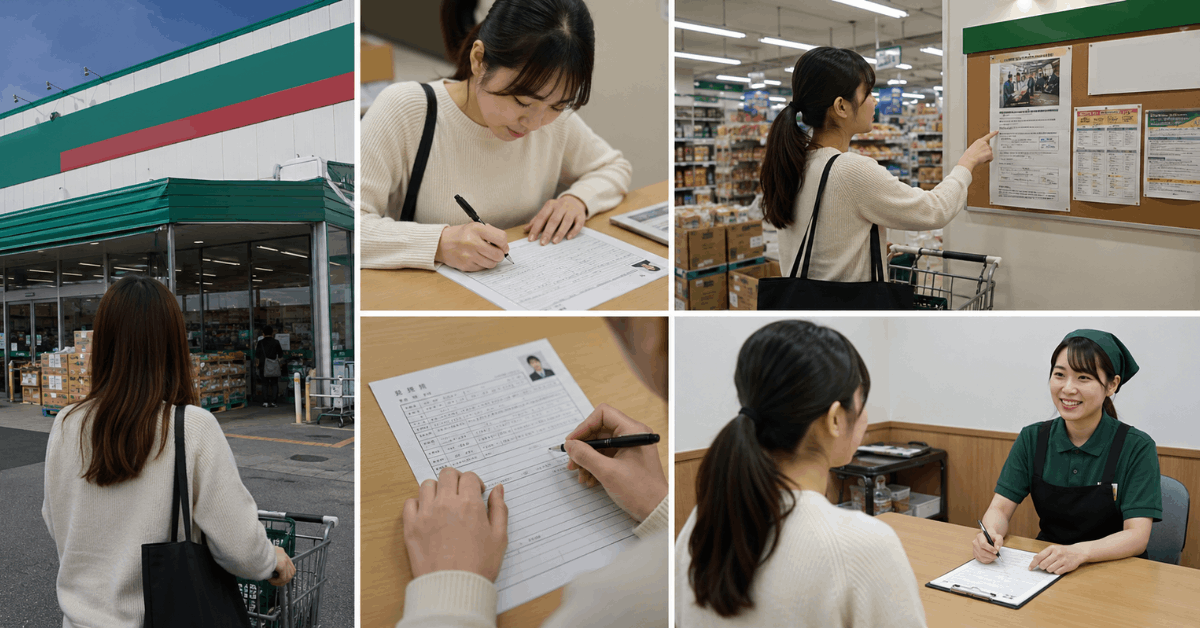
Step 1: Research Local Gyomu Super Stores
A simple way to start is by searching for the nearest store. Visiting in person lets potential candidates get a genuine feel for the atmosphere and perhaps spot recruiting posters in-store. Most stores display current vacancies on notice boards near the entrance or registers.
Step 2: Prepare a Japanese-Style Resume (履歴書, rirekisho)
Gyomu Super typically expects applicants to present a hand-written resume. These are available from most convenience stores or stationery shops.
If Japanese writing isn’t your strength, preparing with a trusted friend or using template guides helps. Honesty about skills and work preferences is respected more than pretending to be perfect.
Step 3: Submit In-Person or via Official Website
Most successful applications are submitted directly at the store with the resume. Some larger stores, or those in urban areas, might direct applicants to the official Gyomu Super careers page.
However, not every branch actively tracks online submissions, so in-person visits remain more effective.
Step 4: Passing the Interview
Interviews at Gyomu Super are friendly but straightforward. Simple questions about schedules, ability to greet customers, and past experiences are common. Rarely are candidates asked to answer in perfect Japanese, but a polite tone is recommended.
Essential Skills and Qualifications
Now, do all candidates need fluent Japanese? Not necessarily. For customer-facing roles such as cashier or floor staff, conversational Japanese is preferred. Yet, for back-office or cleaning positions, the bar is generally lower.
- Language Skills: JLPT N4 or basic spoken Japanese is helpful, but not always mandatory.
- Age Requirements: Many stores accept applicants from age 18; younger teens can sometimes apply for part-time roles.
- Work Visa (for foreigners): Those without Japanese citizenship will need proper visa status. The “Student”, “Dependent”, or “Long-Term Resident” visas are commonly accepted for part-time jobs here.
- Physical Endurance: Most roles require standing for long periods and some lifting. Not so different from other retail, but worth mentioning.
Maximizing Your Gyomu Super Career Path
Some might see a grocery store job as a temporary step. But, surprisingly, Gyomu Super offers subtle but real growth opportunities – especially when employees prove themselves reliable.
Internal Advancement
Consistent performers can move up to supervisor or assistant manager roles. Stores often prefer to promote from within the ranks, valuing experience in day-to-day routines over flashy resumes.
Expanding Skillsets
Learning stock management, vendor communications, or staff training can open doors to other jobs—both inside Gyomu Super and beyond. Some employees even use the work as a stepping stone to larger retail chains or logistics companies in Japan.
Challenges Worth Considering Before Applying
No job is free of drawbacks. Retail work, including at Gyomu Super, can be physically demanding, repetitive, or require tough hours. There’s also the element of occasional miscommunication if Japanese language skills are low.
- Sometimes shifts might be very early, or extend into evenings.
- Customer-facing roles can mean dealing with complaints or unusual requests, which may be unfamiliar at first.
- Foreigners might occasionally face awkwardness during team meetings, especially if language or cultural gaps are wide. Yet, most teams try to bridge these with patience.
Legal and Tax Considerations for Applicants
Understanding your legal status is essential. Part-time workers must ensure their visa allows employment. For foreign residents, there’s usually a cap on weekly work hours (28 hours for students, typically).
Those new to Japan should know that all workers receive a payslip reflecting national tax and social insurance deductions. Keeping copies is useful; sometimes, applicants get surprised by lower-than-expected take-home pay after all deductions.
When in doubt, the safest approach is to check with a local Hello Work office (Japan’s government job service), or a legal support nonprofit.
If curious about broader employment laws, the Japanese Ministry of Health, Labour and Welfare website provides updated regulations in English.
Tips for Standing Out Among Gyomu Super Applicants
- Dress neatly and smile when submitting resumes—even casual jobs favor a tidy first impression.
- Mention any retail or food-handling experience, however minor, as this reflects readiness.
- Point out flexibility with shifts, or willingness to help with overtime, if that’s an option for you.
- Show patience. Response times vary—some stores call back in days, others in weeks.
Final Thoughts on Building a Gyomu Super Career
A Gyomu Super job can be a steady entry point into Japan’s retail sector. The work may be simple at first, but it can build useful skills in service, teamwork, and store operations.
Flexible shifts make it appealing for students, parents, and part-time workers. Applicants should still check contract terms, pay, and legal work status carefully. With reliability and patience, Gyomu Super can become more than just a temporary job.